 Womaj
Womaj
Understanding Natural Support for Joint Mobility
Explore comprehensive information on natural ingredients for healthy and flexible joints.
Explore comprehensive information on natural ingredients for healthy and flexible joints.
Joints are essential structures that enable movement, provide stability, and maintain the quality of life we experience every day. Understanding how they function and what supports their health is fundamental to making informed decisions about our wellbeing. Our joints are complex systems composed of bones, cartilage, ligaments, tendons, and synovial fluid, each playing a vital role in enabling smooth, flexible movement.
This educational resource is dedicated to exploring the science behind natural ingredients and lifestyle factors that support joint health. We examine the composition of these ingredients, their traditional uses, and what scientific research tells us about their potential roles in supporting overall musculoskeletal wellness. Our mission is to provide you with clear, unbiased information that helps you understand your body better and make informed choices about your health.
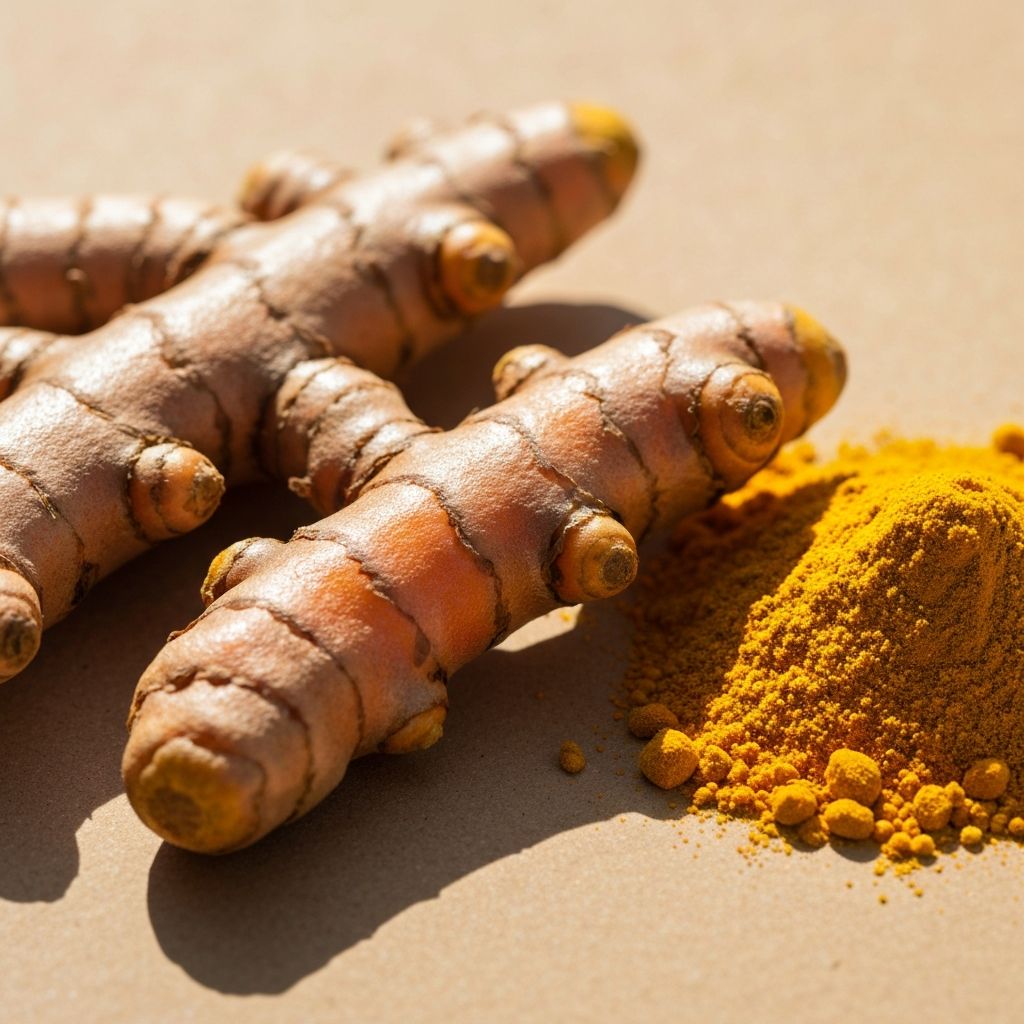
Turmeric is a golden spice derived from the root of Curcuma longa, known for its active compound curcumin. In traditional medicine systems, it has been used for centuries to support general wellness. Modern research explores its potential role in supporting cellular function and maintaining healthy inflammatory responses in the body.
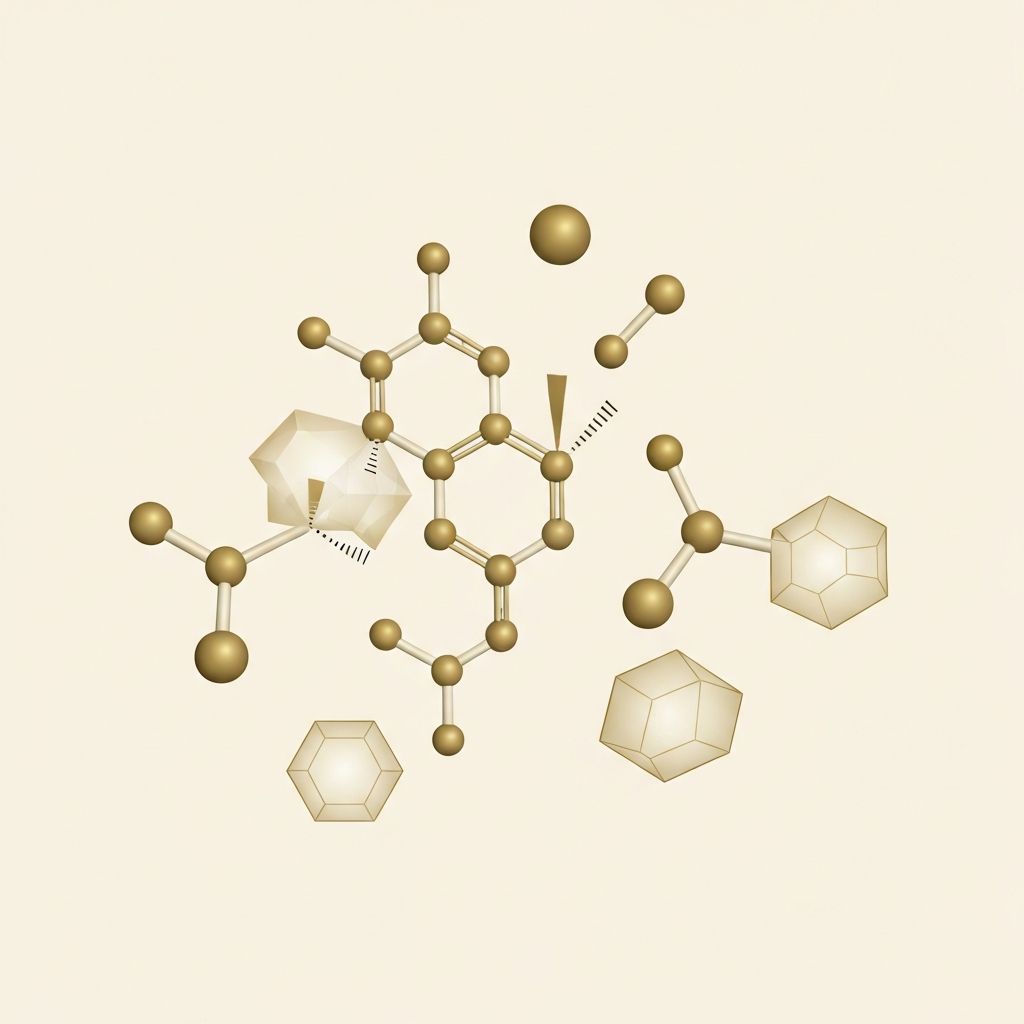
Glucosamine is a naturally occurring compound found in cartilage tissue. It plays a role in the structure and function of connective tissues throughout the body. Research investigates how glucosamine supports the maintenance of cartilage integrity and overall joint structural health, particularly in relation to age-related changes.

Omega-3 fatty acids, particularly found in fatty fish like salmon and sardines, are essential nutrients the body cannot produce on its own. These polyunsaturated fats play important roles in various bodily functions, including supporting healthy inflammatory balance and contributing to overall cellular wellbeing.
The foods we eat provide the building blocks for our body's tissues and functions. A balanced diet rich in nutrients supports joint health by providing essential vitamins, minerals, and compounds that maintain tissue integrity and support natural cellular processes.

Cartilage is a smooth, flexible connective tissue that covers the ends of bones within joints. It provides cushioning, reduces friction, and allows for smooth movement between bone surfaces. Articular cartilage is composed of a matrix of collagen and proteoglycans, which retain water and provide elasticity. This tissue is essential for pain-free movement and joint function.
Ligaments are strong, fibrous connective tissues that connect bones to other bones, providing stability and limiting excessive movement. They contain collagen fibers arranged to resist tension in specific directions. Tendons, while often confused with ligaments, connect muscles to bones and transmit the force generated by muscle contractions to move the skeleton.
Synovial fluid is a viscous liquid secreted by the synovial membrane that lines joints. It provides lubrication, reducing friction between cartilage surfaces and enabling smooth movement. This fluid also nourishes cartilage cells and removes metabolic waste products. The health and adequate volume of synovial fluid are essential for joint function and longevity.
Antioxidants are molecules that help protect cells from oxidative stress, a natural process that occurs in the body through normal metabolism and environmental exposure. Free radicals can accumulate and potentially affect cellular function. Antioxidants neutralize these free radicals, supporting the body's natural defense mechanisms.
Many natural foods contain powerful antioxidants that support overall cellular health and function. These compounds work synergistically within the body to maintain the integrity of various tissues, including those supporting joint health.

Throughout human history and across many cultures, traditional medicine systems have recognized the value of botanical ingredients in supporting health and wellbeing. While the science may have evolved, the wisdom of these traditional practices continues to inform modern research into natural support for joint health.
Ginger (Zingiber officinale): In traditional Ayurvedic and Chinese medicine, ginger has been valued for centuries for its warming properties and its potential role in supporting comfort and mobility. Modern research examines its active compounds and their interaction with cellular mechanisms.
Boswellia (Boswellia sacra): Used in Ayurvedic medicine for thousands of years, boswellia resin has been traditionally valued for supporting joint flexibility and comfort. The plant's active ingredients, known as boswellic acids, have become a focus of scientific investigation into their mechanisms of action.
Devil's Claw (Harpagophytum procumbens): Native to southern Africa, this plant was traditionally used by indigenous peoples to support mobility and comfort. It has been incorporated into traditional European herbalism and continues to be studied for its potential supportive effects.
Willow Bark (Salix species): Ancient civilizations, including Greek, Egyptian, and Native American cultures, utilized willow bark to support comfort and overall wellbeing. This botanical contains compounds that have interested modern researchers studying plant-based support for joint health.
Collagen is the most abundant protein in the human body and is a major structural component of cartilage, tendons, and ligaments. It provides strength and elasticity to these tissues. Various types of collagen (Types I, II, and III) have different functions in different tissues. Type II collagen is particularly important in articular cartilage. As we age, collagen production naturally decreases, which may contribute to age-related changes in joint structure and function.
Hyaluronic acid is a naturally occurring compound found throughout the body, particularly in high concentrations in synovial fluid. It acts as a humectant, binding water and helping maintain the viscosity and lubrication properties of synovial fluid. This support for fluid quality contributes to smooth joint movement and cartilage nourishment. The body naturally produces hyaluronic acid, but production may decline with age.
Chondroitin sulfate is a component of cartilage matrix that helps retain water and provides elasticity to cartilage tissue. It is naturally produced by the body in cartilage-forming cells. Chondroitin may help maintain cartilage structure and support its resistance to compression. It is often studied alongside glucosamine for its potential role in supporting cartilage integrity.
Methylsulfonylmethane (MSM) is an organic sulfur compound found in small amounts in foods and the human body. Sulfur is a component of connective tissues, and some research suggests that MSM may support the maintenance of these structures. It may play a role in supporting the structural integrity of cartilage and the health of surrounding tissues.
Nutrition is one important component of supporting overall joint health, but joint wellness is multifactorial. Exercise, proper hydration, adequate sleep, stress management, and maintaining a healthy weight all contribute significantly. A holistic approach that combines balanced nutrition with these other lifestyle factors provides the most comprehensive support for joint function and longevity.
Various vitamins and minerals support joint health through different mechanisms. Vitamin C is essential for collagen synthesis. Vitamin D supports calcium absorption and immune function. Magnesium plays roles in muscle function and protein synthesis. Zinc supports immune function and tissue repair. A balanced intake of these nutrients through varied whole foods is important for maintaining joint health and overall wellbeing.
All content presented on this website is for educational and informational purposes only. It is not intended to diagnose, treat, cure, prevent, or mitigate any disease or health condition. This information should not be considered medical advice or a substitute for professional medical consultation.
The information provided reflects general knowledge about natural ingredients and lifestyle factors related to joint health. Individual responses to dietary supplements and lifestyle changes vary considerably based on genetics, overall health status, medications, and numerous other factors.
Before making any changes to your diet, starting a new supplement regimen, or making health-related decisions, please consult with a qualified healthcare professional who understands your individual health situation. A healthcare provider can evaluate your specific circumstances and provide personalized guidance appropriate for your needs.
This website does not replace the professional judgment and expertise of licensed healthcare practitioners. The company behind this resource is not responsible for any adverse effects or consequences resulting from the use of any suggestions, preparations, or procedures described.
Womaj is an independent educational resource committed to providing accurate, unbiased, and science-based information about natural ingredients and their role in supporting joint health. We believe in the power of knowledge and the importance of informed decision-making when it comes to personal health.
Our mission is to demystify the science behind natural compounds and lifestyle factors that support joint wellness. We carefully review available research, traditional uses of botanicals, and nutritional science to bring you comprehensive information. However, we maintain clear boundaries: we do not make medical claims, provide treatment recommendations, or replace professional medical advice.
Every piece of content on Womaj is created with the understanding that education and information-sharing are tools for empowerment. We encourage you to learn, ask questions, and work with qualified healthcare professionals in your health decisions.
Educational content only. No promises of outcomes.

Learn more about Womaj's mission, our commitment to education, and how we approach the responsibility of providing health information.
Learn More
Have questions? Want to share feedback about our educational content? Get in touch with our team.
Learn More
Explore our privacy policy, terms of service, cookie policy, and health disclaimer to understand how we operate.
Learn More